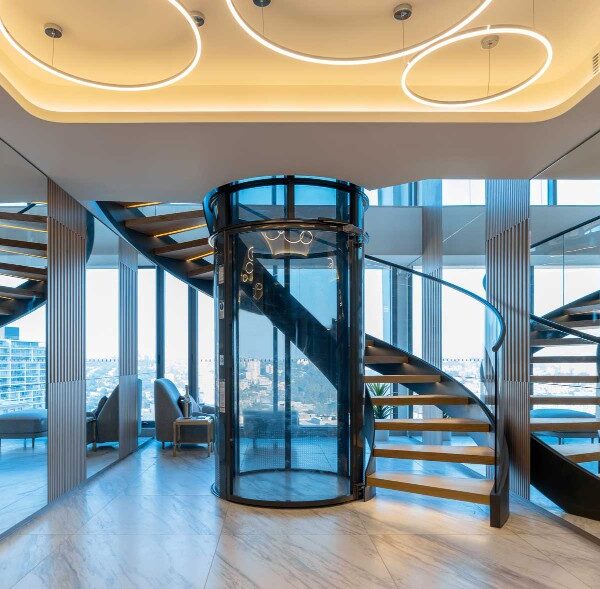
PVE Pneumatic Vacuum
Air pressure lifts the cab through one floor opening per level. Usually the quickest of the four lines to install.
Licensed Elevator Installer
From the free on-site evaluation and permit to installation day, testing, and service after, Coastline Lift installs your home elevator from start to finish. Most installs take 2 to 3 days on site.
10+Years of local installs
200+Homes elevated
2 to 3 daysTypical time on site
CRC#1333752Licensed contractor
Installation Service
Professional home elevator installation covers everything between your first call and your first ride, including the site evaluation, the right model, the permit, prep work, the install, safety testing, and a walkthrough.
Most homeowners start with two worries. How much of the house gets torn up, and who keeps the project on track? With a self-supporting elevator, the work centers on floor openings instead of a shaft. One local team keeps you informed from the first visit to the final inspection.
The cost varies by model and by the work your home needs. Most projects run 3 to 5 weeks from first call to a working elevator, and permit review takes most of that time.
Prep work such as framing support or a new electrical circuit is listed line by line in your written quote, so you know the full scope before any work starts.
Elevators We Install
We install four lines of residential elevators from three brands we are authorized to sell, and each line asks something different of your home.

Air pressure lifts the cab through one floor opening per level. Usually the quickest of the four lines to install.

A quiet winding drum drive on a self-supporting frame, with battery backup in an outage.

A panoramic glass or acrylic cab that stands on its own frame inside the home.
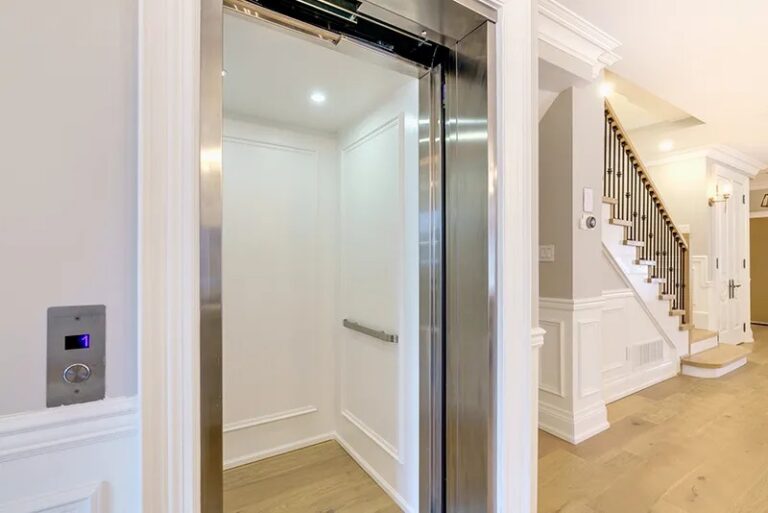
Through-floor, traditional cab, and outdoor elevators for homes that need a different layout.
Want specs for every model? You can compare all 17 residential elevator models by capacity, stops, and pit needs.
How It Works
Installation runs in six steps, and most of the calendar time goes to permit review, not construction work in your home.
We measure ceiling heights, floor framing, and the height between floors, check your electrical panel, and show you where an elevator fits.
You get the recommended models, your options, and an itemized price in writing before you commit to anything.
We file the permit with your local building department, coordinate the inspections, and set your install date.
Floor openings, framing support, and a dedicated circuit come first. Your quote lists each item and who handles it.
The crew covers floors and walls, assembles the elevator through the openings, and wires the call buttons on each floor.
We test every stop, door lock, and safety device, an inspector signs off, and we show your household how to use it.
We measure your space, check framing and power, and tell you which models fit, at no cost and with no obligation.
Pricing
The cost varies from home to home. It depends on the elevator you choose, how many floors it serves, and how much prep work your home needs, so every price comes from a free on-site evaluation.
Air-powered, winding drum, glass, and traditional cab elevators each carry a different cost.
Each extra floor adds a landing, a door, and more travel height.
The openings, framing support, and any structural prep your home needs.
A dedicated circuit and the condition of your electrical panel.
Cab size, door layout, glass or acrylic panels, and interior finishes.
The permit and inspections set by your local building department.
Every quote comes in writing and itemized, so you see each cost before you commit. Financing is available for qualified homeowners.
Tell us about your floors and who will ride. After a short site visit, you get an itemized quote with every cost listed.
Retrofit or New Build
Yes. Self-supporting PVE, Level Up, and Savaria VueLift elevators need floor openings instead of a shaft, so they suit many existing homes. Traditional cab elevators need a hoistway and a pit, which fits new builds and larger renovations.
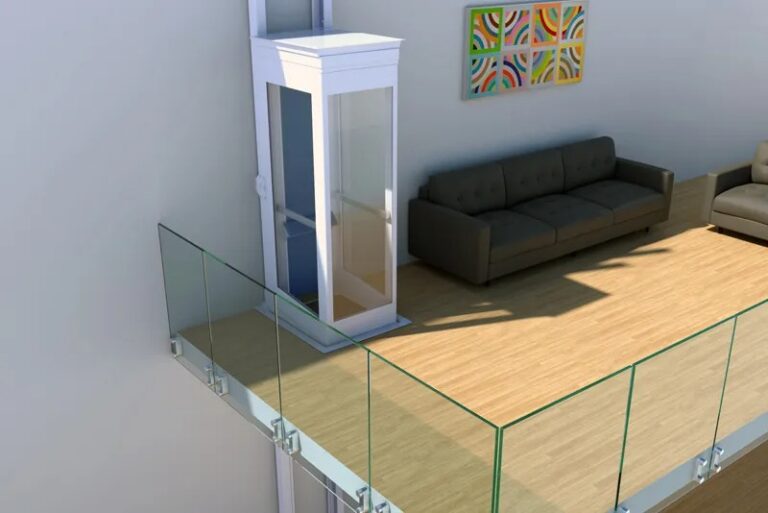
Existing home
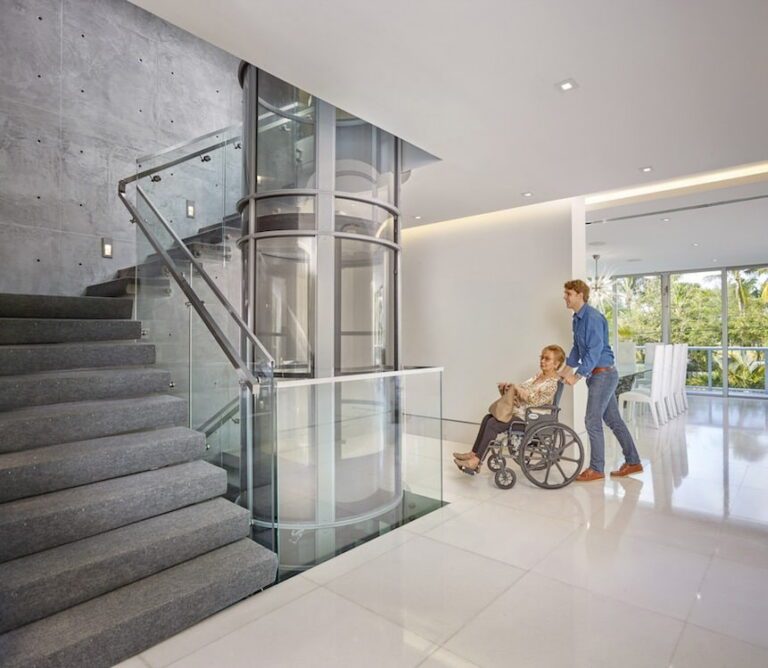
New construction
Expect some noise and a closed-off work area on install days. The crew cleans up before handover.
Coastal Homes
It can. Salt air, humidity, and storm season affect elevators near the water, so placement, materials, and maintenance matter more on the coast.
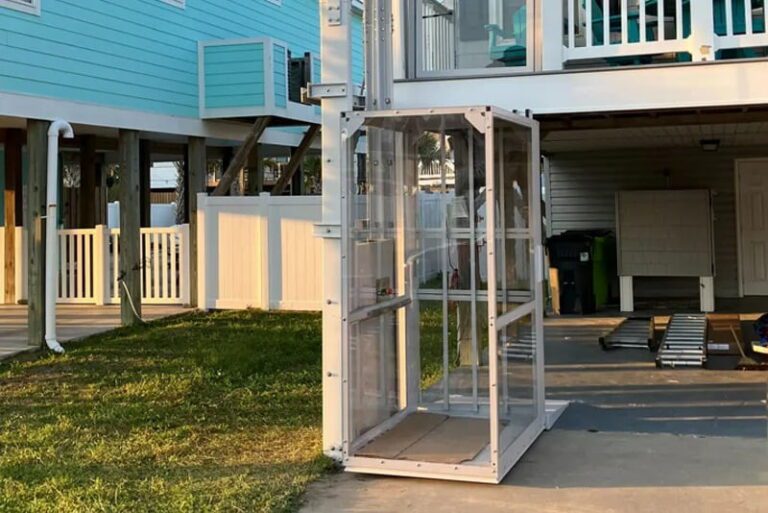
Many raised beach homes need a ride from the parking level up to the living floors. Inside the home, a self-supporting elevator can serve those floors. When the entry sits outside, an outdoor elevator for raised entries is built for that job.
Upkeep is the other half. The maintenance visit, every 6 to 12 months, covers lubrication, a corrosion check of seals and gaskets, and a full safety test. After a named storm, we also offer a post-storm inspection before you ride again.
Honest Fit Check
A home elevator fits most multi-story homes, but the model has to match the riders, the space, and the number of floors. Here is where we look closer.
Why Coastline Lift
Coastline Lift is a Certified Residential Contractor & Home Builder, licensed CRC#1333752 for elevator installations. Meet the team behind Coastline Lift.
We install genuine PVE, Savaria, and AmeriGlide products with the full manufacturer warranty, so we can recommend across brands.
We have 10+ years of local installations, 200+ homes elevated, and a 5.0 star rating from clients.
Your quote lists the models, options, and prep work in writing, with no surprise fees added later.
We file the permit with your local building department and coordinate every inspection through final sign-off.
Every install includes a minimum one-year parts and labor warranty. Our maintenance and repair service covers visits every 6 to 12 months and repairs after the install.
Client Feedback
Homeowners from Destin to 30A share how their elevator project went.
Coastline Lift handled every detail from the permit to the final inspection. We chose the colour and showed up on installation day. The elevator has been a genuine life-changer for our household.
Coastline Lift is a dependable and trustworthy company. Their work is professional. Jamie, the owner, is multi-skilled and hard-working. A delight to do business with. Highly recommended.
We were skeptical a real elevator could fit in our 30A beach house, but Coastline Lift made it happen in three days. Professional crew, clean installation, and the PVE30 has been running perfectly for over a year.
For homeowners
Start with a free site visit. We measure, answer your questions, and send a written quote you can take your time with.
For builders and architects
Bring us in while plans are still on paper. We help size the openings, power, and ceiling heights so the elevator fits the schedule.
The cost varies with the model, the number of stops, and the prep work your home needs. After a free on-site evaluation, you get a written, itemized quote. See home elevator prices by model and number of stops.
Most installs take 2 to 3 days on site, and the full project typically runs 3 to 5 weeks from first call, mostly for permit review. Our guide walks through each step of the installation process.
Yes. Every home elevator in Florida needs a permit and an inspection. Coastline Lift files the permit and coordinates the inspections for you. Our permit requirements guide explains what the application covers.
Yes. Self-supporting models need floor openings instead of a shaft, so most installs in existing homes avoid major construction. Traditional cab elevators need a hoistway and a pit. Read more about elevators for new builds and renovations.
It depends on the model. The PVE 30 needs a 32 inch floor opening, while larger and wheelchair accessible cabs need more room. Our residential elevator dimensions guide lists the size of each model.
Ask for the license number and look it up on the Florida DBPR license search before you sign. Coastline Lift is licensed as a Certified Residential Contractor & Home Builder, CRC#1333752, for elevator installations.
Each line follows its own code. PVE pneumatic vacuum elevators follow ASME A17.7, and PVE Level Up and Savaria VueLift follow ASME A17.1, the ASME elevator safety code. We test the safety devices on your model before handover.
You get a minimum one-year parts and labor warranty plus the manufacturer warranty. We return once a year for maintenance and offer an inspection after named storms, so one local team stays with you after handover.